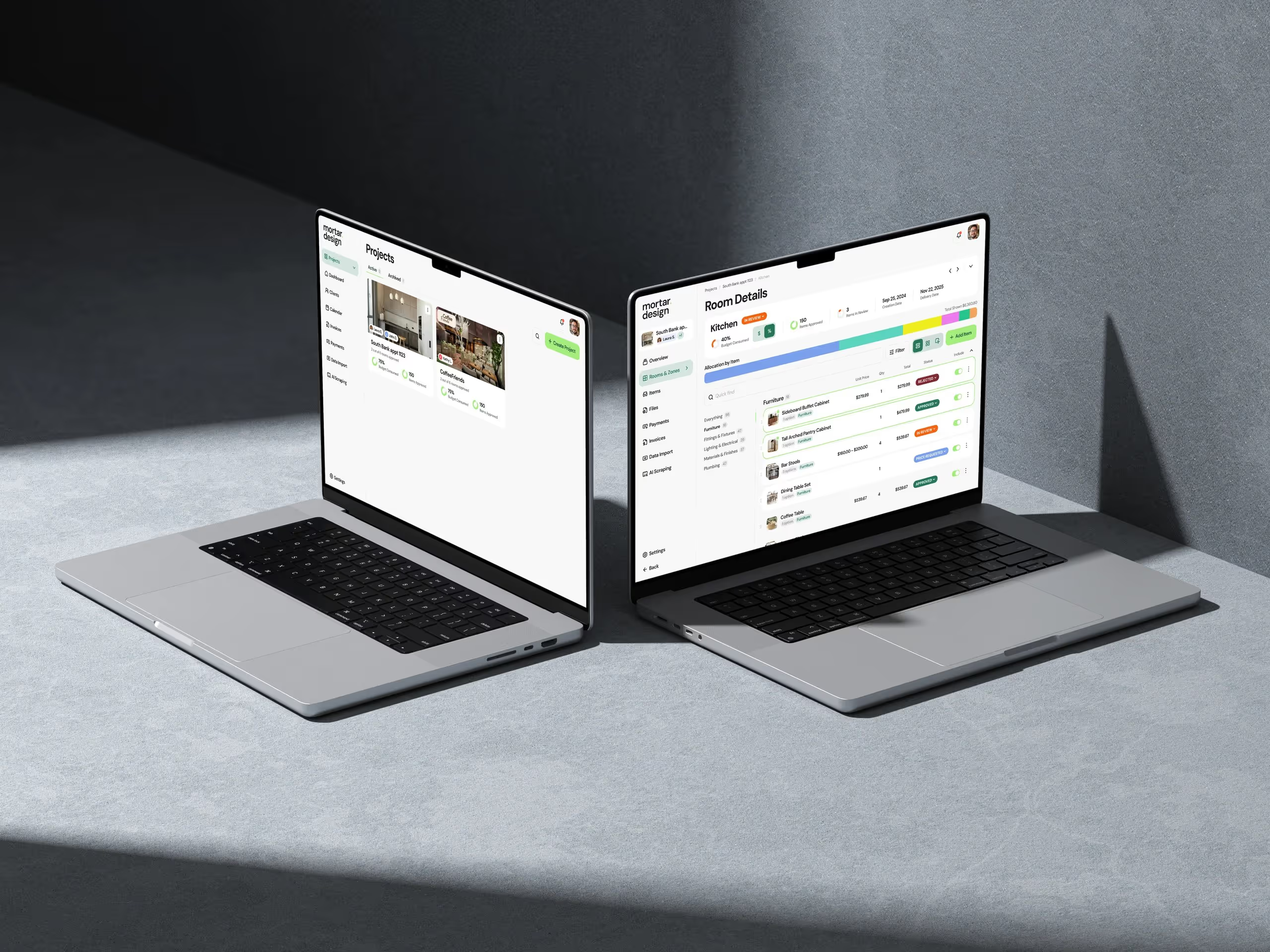
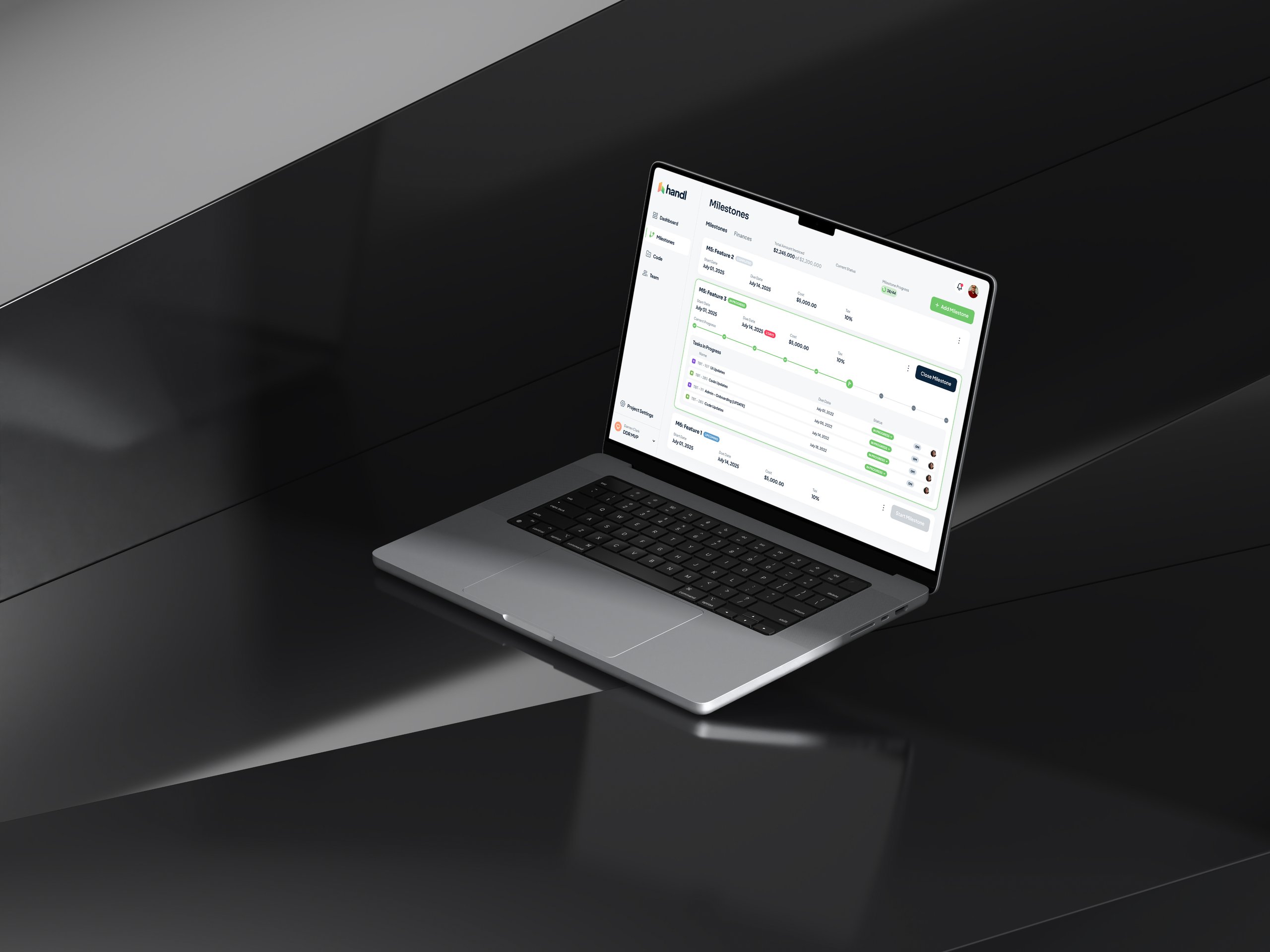
Last week, a founder asked me if they should hire a "UI/UX designer or a product designer" for their HR tech startup. My answer surprised them: "Yes, eventually both. But first, understand they're fundamentally different jobs."
This article is part of our complete guide to SaaS product design.
After 25 years building software—from enterprise systems to niche SaaS products at Dazlab.digital—I've watched countless teams struggle because they conflate product design with UI/UX design. This confusion leads to beautiful interfaces that solve the wrong problems, or brilliant product strategies with interfaces that make users want to pull their hair out.
The stakes are especially high in vertical SaaS. When you're building specialized software for interior designers or real estate associations, you can't afford to get this wrong. Your users have specific workflows, unique pain points, and zero patience for software that doesn't understand their world.
The Fundamental Difference Most Teams Miss
Here's the simplest way I explain it to clients: UI/UX designers make sure users can successfully use your product. Product designers make sure your product is worth using in the first place.

I learned this distinction the hard way. In 2019, we built a stunning applicant tracking system for a recruiting firm. Our UI was clean, our user flows were intuitive, and our usability tests were stellar. Six months later, the client canceled. Why? We'd built features recruiters didn't actually need while missing the core workflow that would've saved them three hours daily. Classic UI/UX success, product design failure.
Where UI/UX Design Excels (And Where It Doesn't)
UI/UX designers are masters of the interface layer. They obsess over information architecture, visual hierarchy, and interaction patterns. When we built TaliCMS for content teams, our UI/UX designer spent weeks perfecting the editor interface—making sure writers could format content without thinking about it.
But here's what UI/UX designers typically don't do: they don't decide whether to build a CMS in the first place. They don't research whether content managers need AI-powered suggestions or better revision tracking. They don't map out the business model or figure out pricing tiers.
UI/UX designers ask: "How should this feature work?" Product designers ask: "Should we build this feature at all?"
I've seen this play out repeatedly in our consulting work. A real estate association came to us with mockups for a "beautiful new member portal." Their UI/UX designer had created gorgeous screens for property listings, member profiles, and event calendars. But after two days of product research, we discovered their members' actual problem was billing disputes, not finding events. The beautiful portal would've been a expensive distraction.
Product Design: The Bigger Picture
Product designers operate at a different altitude. They're part researcher, part strategist, part business analyst. When we start a new vertical SaaS product at Dazlab.digital, product design begins months before anyone opens Figma.
A product designer's toolkit includes competitive analysis, user research, business model design, and feature prioritization. They map entire user journeys—not just through the interface, but through the customer's entire relationship with the product. They ask questions like: "What job is our customer hiring this product to do?" and "How does this fit into their existing workflow?"
We recently worked with an interior design firm struggling with project delivery. A UI/UX approach would've focused on making their current project management tool easier to use. Our product design approach revealed they didn't need a better interface—they needed to eliminate the tool entirely and embed project tracking directly into their design software. Same problem, completely different solution.
The best product designers I've worked with think in systems, not screens. They understand that great products solve problems, not symptoms. They know that sometimes the best interface is no interface—automation that removes the need for user interaction altogether.

Why This Distinction Matters More Than Ever
The rise of AI-native software makes this distinction critical. UI/UX designers might focus on crafting the perfect chatbot interface. Product designers ask whether users want a chatbot at all, or if they'd prefer AI that works invisibly in the background.
In vertical SaaS especially, getting this wrong is fatal. Generic horizontal tools can survive on good-enough product design because they serve broad use cases. But when you're building for a specific industry—whether it's HR tech for small agencies or billing software for professional services—you need deep product thinking.
I've watched too many vertical SaaS products fail because they had beautiful UI/UX but weak product design. They looked professional, felt smooth to use, but fundamentally misunderstood their users' jobs-to-be-done. In niche markets, you don't get second chances. If your product doesn't nail the specific workflows your users need, they'll stick with their spreadsheets.
The other risk? Overhiring on UI/UX while underhiring on product design. I see this constantly—teams with three UI designers perfecting button shadows while no one's validating whether customers will pay for the product. It's like hiring three chefs to perfect the plating while no one checks if the restaurant has customers.
Building Teams That Get Both Right
So how do you build a team that balances both disciplines? After building dozens of SaaS products, here's what works:
Start with product design. Before you hire anyone to make things pretty, hire someone to make sure you're building the right thing. This is especially true for early-stage vertical SaaS. Your first design hire should be talking to customers, not pushing pixels.
Look for overlap, but don't expect unicorns. Some designers can do both product and UI/UX work, but they're rare and expensive. More often, you'll find designers who lean one way but understand the other. That's fine—just be clear about what you're hiring for.
Create healthy tension between the disciplines. The best products emerge when product designers and UI/UX designers challenge each other. Product says "users need this." UI/UX says "users can't figure this out." The friction creates better solutions.
We structure our teams at Dazlab.digital to maintain this balance. Product designers own the "what" and "why." UI/UX designers own the "how." But they work in tight loops—product designers sit in on usability tests, UI/UX designers join customer interviews. The boundaries exist but they're permeable.
Red Flags That You're Confusing The Two
Watch for these warning signs that your team doesn't understand the distinction:
Your "product designer" only delivers mockups. Real product designers deliver research findings, feature roadmaps, and business cases—not just screens. If your product designer's main output is Figma files, you've hired a UI designer with an inflated title.
Your UI/UX designer is making product decisions by default. This happens constantly—the UI designer mocks up a feature, everyone loves how it looks, and suddenly it's on the roadmap. Visual design can seduce teams into building the wrong things.
You're iterating on UI while core product questions remain unanswered. I once watched a team spend three sprints perfecting their onboarding flow. The problem? They hadn't validated whether anyone wanted their product. Perfect onboarding for a product no one wants is worthless.
The most dangerous confusion happens in hiring. I review portfolios every week from "product designers" that contain zero evidence of product thinking—no user research, no competitive analysis, no business metrics. Just pretty screens. These aren't bad designers, they're just mislabeled UI/UX designers.
Moving Forward: Building Products That Matter
The distinction between product design and UI/UX design isn't academic—it directly impacts whether your SaaS product succeeds or joins the graveyard of beautiful failures.
For teams building vertical SaaS products, the stakes are even higher. You're not competing on features alone; you're competing on deep understanding of your users' specific needs. That requires both strategic product thinking and excellent execution at the interface layer.
At Dazlab.digital, we've learned to treat these as complementary but distinct disciplines. Product design ensures we're solving real problems for real users in specific industries. UI/UX design ensures those solutions are accessible, intuitive, and delightful to use. Skip either one, and you're building half a product.
The good news? Once you understand the distinction, building better products becomes much simpler. Stop asking "should our designer do research?" and start asking "do we have the right mix of product and UI/UX thinking?" Stop debating whether design should "own" the product roadmap and start ensuring both perspectives shape it.
Your users don't care about your job titles or team structure. They care about whether your product solves their problems elegantly. That requires both strategic product design and excellent UI/UX execution. Now that you understand the difference, you can build teams that deliver both.
Frequently Asked Questions
What's the main difference between product design and UI/UX design?
UI/UX designers focus on making products usable—ensuring users can successfully navigate interfaces, complete tasks, and have positive interactions. Product designers focus on making products valuable—determining what to build, validating market fit, and ensuring the product solves real problems worth solving. Think of it this way: UI/UX designers perfect how features work, while product designers decide which features should exist.
Can one designer handle both product design and UI/UX?
While some designers have skills in both areas, true expertise in both is rare and expensive. Most designers lean toward one discipline. Early-stage teams often need to choose: hire a product designer first to ensure you're building the right thing, then bring in UI/UX expertise to refine the interface. For vertical SaaS products, starting with strong product design is usually the smarter bet.
How do I know if I need a product designer or UI/UX designer?
If you're unclear what to build or whether your product idea solves real problems, you need a product designer. If you know what to build but users struggle to use it effectively, you need a UI/UX designer. Warning signs you need product design: relying on assumptions about user needs, unclear product-market fit, or features that don't drive business value. Warning signs you need UI/UX: high user abandonment, confusing interfaces, or poor task completion rates.
What happens when teams confuse product design with UI/UX?
Teams that conflate these disciplines often build beautiful products that solve the wrong problems. Common symptoms include: polished interfaces for features users don't need, perfect onboarding for products without market fit, and iterating on visual design while core product questions remain unanswered. This confusion is especially dangerous in vertical SaaS, where deep understanding of specific industry needs matters more than generic good design.
How should SaaS teams structure design roles?
Successful SaaS teams create clear ownership while encouraging collaboration. Product designers own the 'what' and 'why'—research, strategy, and feature prioritization. UI/UX designers own the 'how'—interface design, usability, and interaction patterns. Both should participate in each other's processes: product designers in usability tests, UI/UX designers in customer interviews. This creates healthy tension that produces better products.
Related Reading
Dazlab is a Product Studio_
Our products come first. Consulting comes second. Whichever path you take, you’ll see how a small team can deliver outsized results.