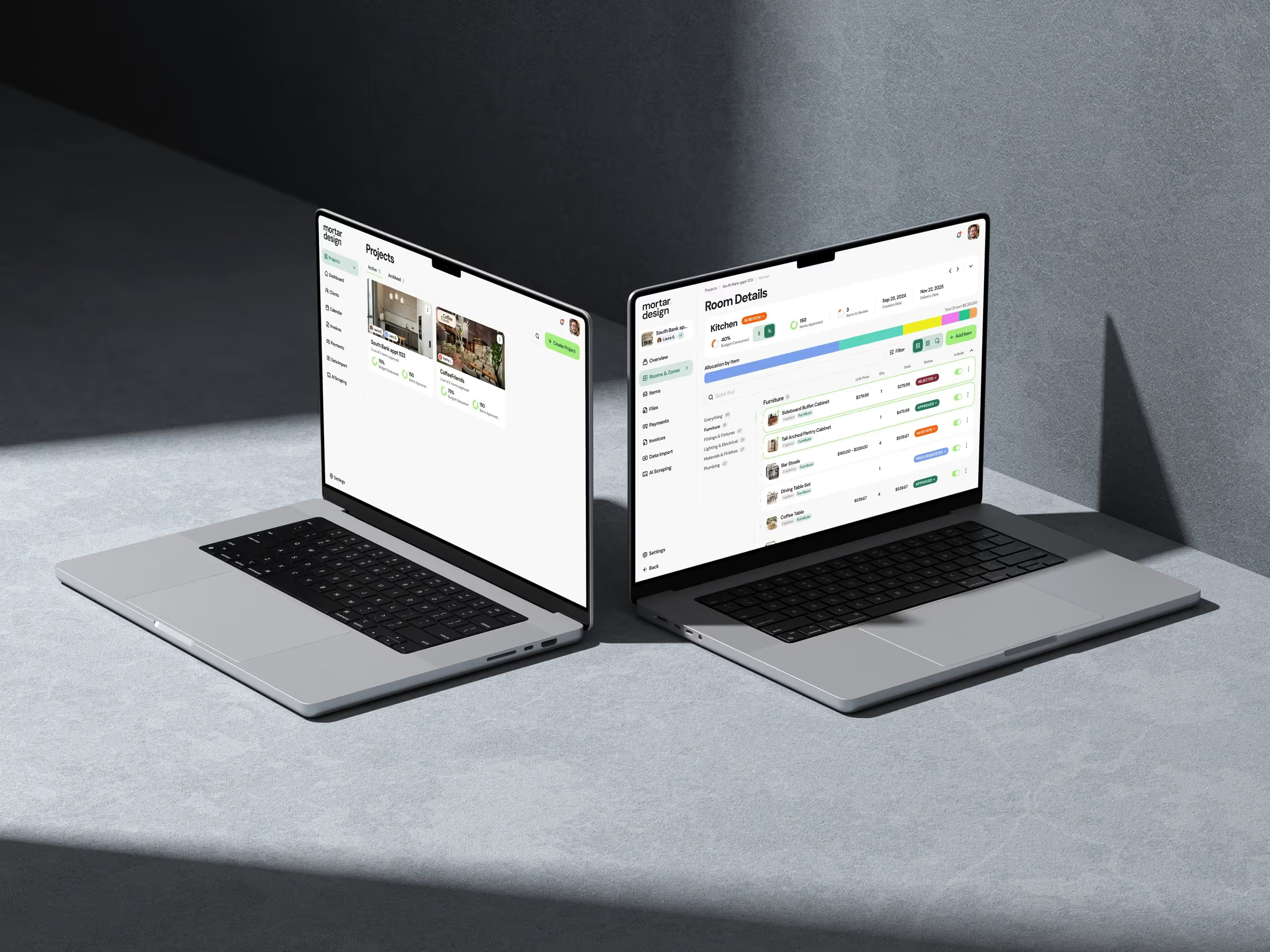
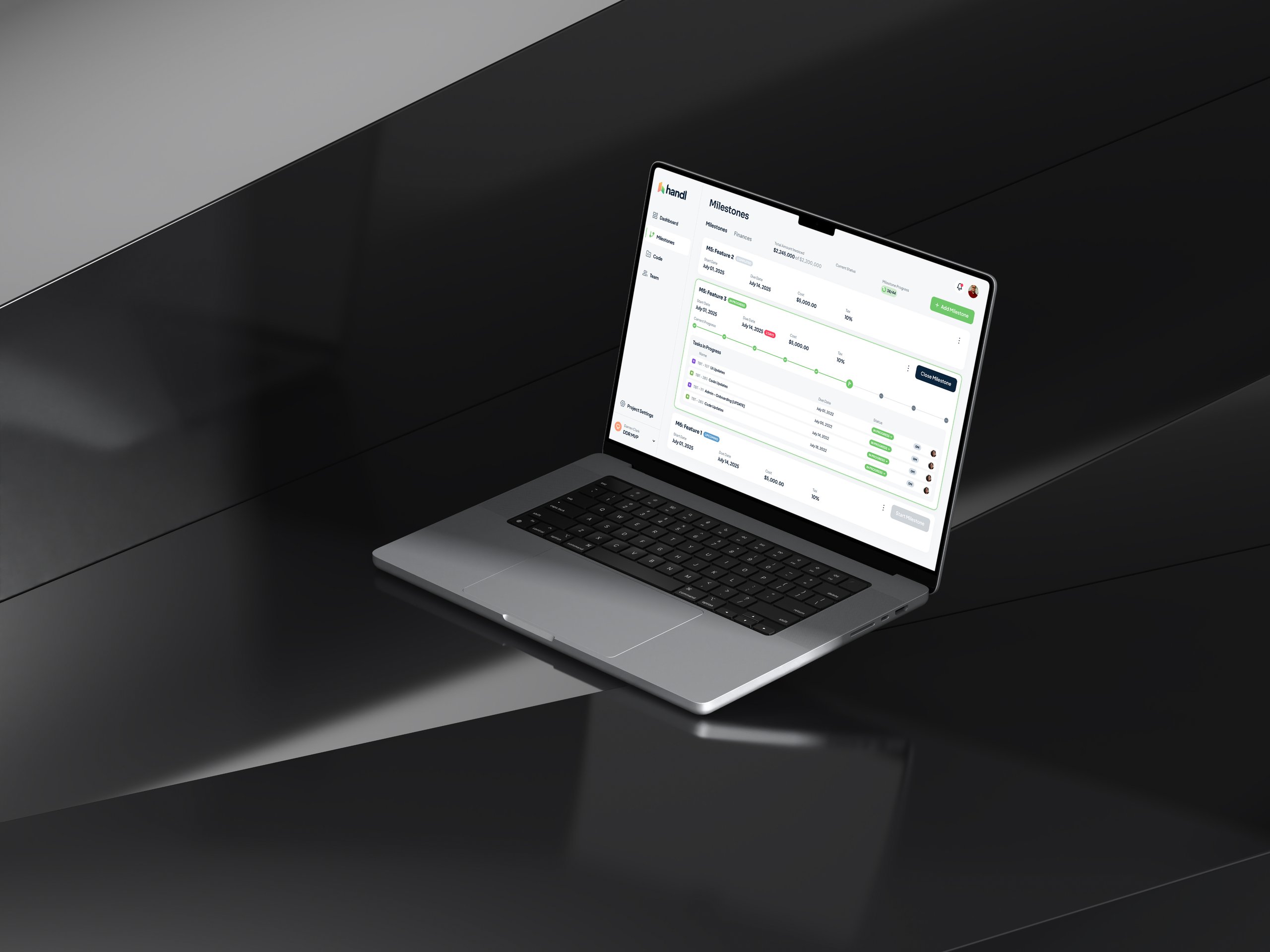
In today's competitive landscape, business owners — especially in dynamic industries like real estate, construction, and healthcare — need to continuously innovate to sustain their competitive advantage.
We all know this. There's no getting around it. But custom software is one of the most effective tools to actually achieve it.
Generic software solutions won't cut it for long. This article dives into the real benefits of custom software development, with examples from businesses we've built for.
Why Custom Software is Worth the Effort
Many businesses rely on off-the-shelf software. Maybe you do too. But you've probably noticed that these generic programs often lack the specific functionality needed to truly streamline your workflows and maximise efficiency.
One of the key benefits of custom software is that it lets businesses address their own specific needs — or those of their customers — rather than adapting to someone else's vision of how software should work.
“If only this off-the-shelf program had these extra three features, I could save 10 hours a week.” That's exactly where the benefits of custom software development become real. It allows you to create software that matches your unique business needs perfectly — and evolves with you as you grow and scale.
Off-the-shelf solutions were never built with your specific business in mind. They were built for the entire market. Finding the perfect fit can be like finding a needle in a haystack.
What's an example of how it goes wrong?
Take Quickbooks — a widely recognised accounting package that handles basic bookkeeping, invoicing, and bill payments. It's great if it suits your needs. But if you have more complex requirements like inventory management, advanced reporting, or integrated payroll processing, you're stuck.
Your clients will do the same to you. If your product or software can't meet their evolving needs, they'll move on. So if you're looking for an early indicator that custom software is worth considering — look at your churn.
Benefits of Custom Software Development
Benefit #1: Tailored Solutions for Unique Business Needs
Off-the-shelf software forces you to adapt to its workflows and limitations. What if the tool was designed to serve you and your clients instead of the other way around?
Real example: Tangilla
Phil Kells, founder of Tangilla, could see that Realtor Associations were full of tedious processes and complicated workflows — but the needs of this industry are unique. No off-the-shelf solutions could help.
That's where Tangilla comes in. It's custom, tailor-made for the real estate world — built for automation, data insights, and association management.
The result: remove tedious processes, deliver far superior client experiences, and gain a genuine competitive advantage.
Benefit #2: Competitive Advantage
In today's market, standing out isn't a luxury — it's a necessity.
Custom software gives your product capabilities that off-the-shelf software could only dream of. With custom software, you're the architect. You design the whole thing to fit your needs exactly.
Real example: Keywell
Diana, founder of Keywell, came to us with a well-thought-out design and customer experience for an app serving parents of neurodivergent children. She needed reliable, quality code that would allow her team to expand and grow with the platform.
Dazlab audited the design and built the app — a solid, stable platform for tracking sleep and medication, creating reminders, and accessing resources. We also provided consulting and training so Keywell could handle future development in-house.
The result: a 5-star App Store rating with thousands of users across the globe.
Benefit #3: Flexibility & Scalability
Picture this: you're a painter. You need a quoting tool, but every off-the-shelf option is generic. Custom software lets you build exactly what you need — and grow without limits.
Real example: Tangilla (continued)
They started with the basics — membership management, workflow automation. But the custom foundation means they can snap on new features whenever they need them. The software grows with the business.
Benefit #4: Enhanced Security & Control
With custom software, you can lock down every corner of the system — ensuring sensitive data stays safe and access is tightly controlled.
Real example: Healthweave
Healthweave needed a platform built to handle sensitive healthcare data — encrypted, compliant with Australian standards, and reliable. Dazlab built a system that empowers users to securely access and use their health data.
When it comes to data security, custom software isn't just a game-changer — it's the game itself.
Benefit #5: Customisation Improves Integration & Efficiency
Most businesses use multiple tools — a CRM here, an email platform there. Custom software builds bridges between your tools instead of creating new silos.
Real example: Toolbox
The Toolbox team came to us with a primitive piece of software and a complicated idea: a platform to streamline procedures, reduce health and legal risks, and bring everything together in one place.
After we aligned the business requirements and rebuilt the software properly, Toolbox went from a broken foundation to a product with 50+ features and 1,000+ users across the US, Canada, and international markets.
Addressing Common Concerns and Misconceptions
Misconception #1 — High Upfront Costs
Custom software might seem like a bigger investment at first. But think of it like planting seeds in a garden — it takes effort upfront, but pays off significantly in the long run.
Misconception #2 — Long Development Times
With agile development, it's all about taking things one step at a time. Start with the essentials, nail those, then build from there.
Misconception #3 — Only for Large Businesses
Custom software isn't just for enterprise. Most of the businesses Dazlab serves have a headcount between 5 and 50.
Misconception #4 — Difficult to Maintain
Reputable custom software companies build with the end in mind. At Dazlab, we plan from day one for the eventual handoff.
Misconception #5 — Strict Vendor Lock-in
With custom software, you own the code. You choose the technology. You're not tied to one provider.
Custom Software Development Process
Step 1: Consultation and Planning
We sit down together to understand your business needs, challenges, and what the software needs to achieve.
Step 2: Design
We design the architecture and start bringing your vision to life in a design tool like Figma. You get to see what the screens will look like before any development begins.
Step 3: Development
Once designs are approved, development starts. Developers work from a precise scope — approved designs and workflows.
Step 4: Testing and Quality Assurance
We put the software through rigorous testing — functionality, security, edge cases, performance.
Step 5: Launch & Hand Off
We help you deploy, train your team, and ensure a smooth transition.
Conclusion
Custom software development isn't just for big business. Any business — from SMEs upwards — can benefit from this strategic investment. By leveraging custom software, you can streamline operations, enhance customer experiences, and drive growth.
Ready to explore what custom software could do for your business? Get in touch with Dazlab for a conversation about your specific needs.

Dazlab is a Product Studio_
Our products come first. Consulting comes second. Whichever path you take, you’ll see how a small team can deliver outsized results.